

In the contemporary fast-paced environment, software development is not just about making functional programs. Companies have come to realize that in order to make software development successful, one needs to focus on the end-user experience and ensure that their software creates value for users. Such user-oriented software development has become increasingly crucial, as companies need to be able to provide better experiences to their customers.
Indeed, rising customer expectations mean that more attention must be paid to the user experience.
What Is User-Centric Software Development?
User-centric software development can be described as a methodology where users always take the central position at all stages of software development, including planning and design, testing, and implementation.
Instead of focusing only on technical features, developers and businesses now pay close attention to:
- User behavior
- Customer needs
- Accessibility
- Ease of use
- Navigation
- Performance
- Design experience
It means creating software that works efficiently and is easy to use.
Whether it is a website, mobile application, enterprise platform, or SaaS solution, user experience now plays a critical role in determining the success of digital products.
Why User Experience Matters More Than Ever
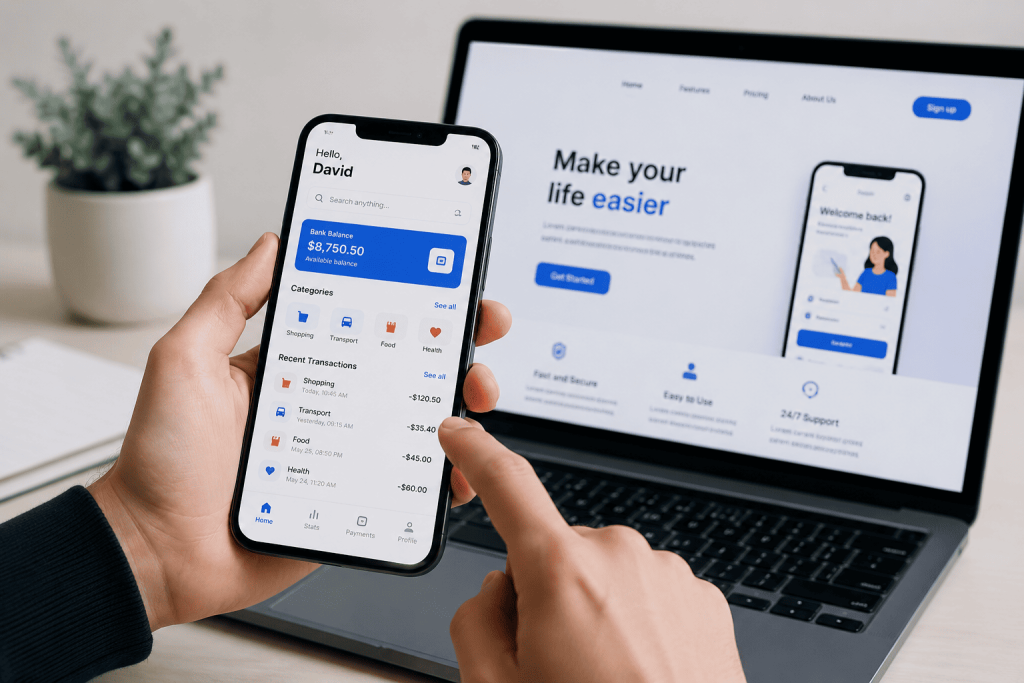
Today’s users have access to numerous digital products. In case the websites and applications are slow, unclear, and complicated, they will switch to alternatives.
For this reason, businesses today are more and more willing to spend on user-centric digital products.
A positive user experience can help businesses:
- Improve customer satisfaction
- Increase engagement
- Build brand trust
- Reduce bounce rates
- Improve customer retention
- Increase conversions and sales
In many cases, user experience directly impacts business growth.
Today, customers expect digital experiences to be:
- Fast
- Responsive
- Mobile-friendly
- Visually appealing
- Easy to navigate
- Personalized
Businesses that fail to meet these expectations risk losing valuable customers in an increasingly competitive market.
The Shift From Feature-Focused to User-Focused Development
Previously, in software development, there was an emphasis on including a variety of features in the software. Presently, however, software development involves putting priority on making products easy to use and simple.
If a product is filled with complicated features, it may be overwhelming to use for the end user. Software that is easy to use and navigate typically works more effectively than the former.
This shift has encouraged businesses to focus on:
- Clean interface design
- Faster loading speeds
- Simple navigation
- User-friendly functionality
- Accessibility for different users
- Consistent digital experiences
Today, successful software is not defined only by what it can do but also by how easily users can interact with it.
The Role of UI and UX Design

The concept of user-centric development is highly dependent on UI and UX.
Designing a good UI will involve concentrating on the visual aspect of the software application including:
- Layouts
- Buttons
- Typography
- Colors
- Interactive elements
On the other hand, UX is concerned with the overall experience of using the product during interaction.
Combining UI and UX ensures that companies develop software that works intuitively and efficiently.
This makes it easier to positively impact how customers interact with digital products.
Mobile-First and Responsive Experiences
With the rise in the adoption of smartphones and tablets, there is an increased need for mobile application development.
Current customers want applications and websites to function properly regardless of the device or screen size. Failure to adopt responsive design can cause businesses to lose engagement and visibility.
User-centric software development now prioritizes:
- Responsive web design
- Mobile optimization
- Faster mobile performance
- Cross-platform compatibility
- Accessible interfaces
Creating consistent experiences across devices helps businesses improve customer satisfaction and digital accessibility.
Personalization and Modern User Expectations
Modern consumers demand more customized experiences on digital platforms. Companies are now leveraging data, automation, and even artificial intelligence technologies to better understand consumer behavior and offer customized experiences.
Personalized software experience can involve:
- Customized recommendations
- Personalized dashboards
- Smart search features
- Adaptive content
- AI-powered interactions
These capabilities will help businesses increase customer engagement as well as make their software more relevant and efficient.
As technology keeps progressing, personalization plays an increasingly significant role in modern software engineering.
Accessibility and Inclusive Design
Another increasingly significant aspect of user-centered design is accessibility.
The modern business environment understands the significance of designing software products that can accommodate individuals from diverse capabilities and requirements. Accessible software is useful for creating digital experiences that are more inclusive and usable to many users.
Accessibility-focused development may include:
- Clear navigation
- Readable typography
- Keyboard accessibility
- Screen-reader compatibility
- Color contrast optimization
Inclusive digital experiences not only improve usability but also strengthen brand reputation and customer trust.
The Business Benefits of User-Centric Software
Software development which revolves around the interests of the users is beneficial for companies in the long run.
There are numerous benefits associated with it such as:
- Customer loyalty
- Engagement
- Customer retention
- Productivity gains
- Better branding
- Competitive edge
Companies who cater to their customers’ interests are more likely to be able to respond to market changes.
In today’s competitive market, a superior user experience can make all the difference.
The Future of Software Development
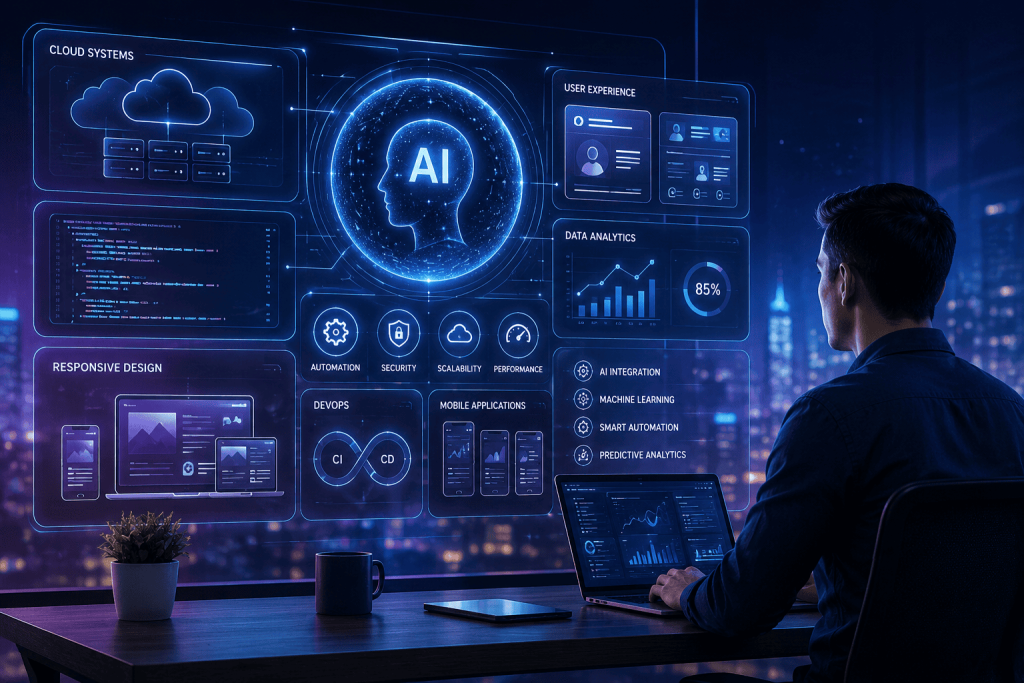
With continuous technological progress, a people-first approach in product development will become crucial. The fields of artificial intelligence, automation, cloud computing, and analytics are redefining the way companies create digital experiences.
Future software solutions will likely focus more on:
- Intelligent personalization
- Predictive user experiences
- Faster interactions
- Simpler interfaces
- Human-centered design
Organizations making investments into people-first innovation now will be ready for future changes.
Conclusion
The increasing significance of user-centered software development represents a paradigm shift in the digital landscape. Today, business organizations have understood that having functional software is not sufficient at all. The software that is easy to use, efficient, and provides enjoyable experience is highly valued by users.
With a focus on user requirements, businesses will be able to develop better software and ensure their success and competitiveness in the digital market environment.
Thus, the most effective software solutions should always be oriented not only at business organizations but also their actual users.