
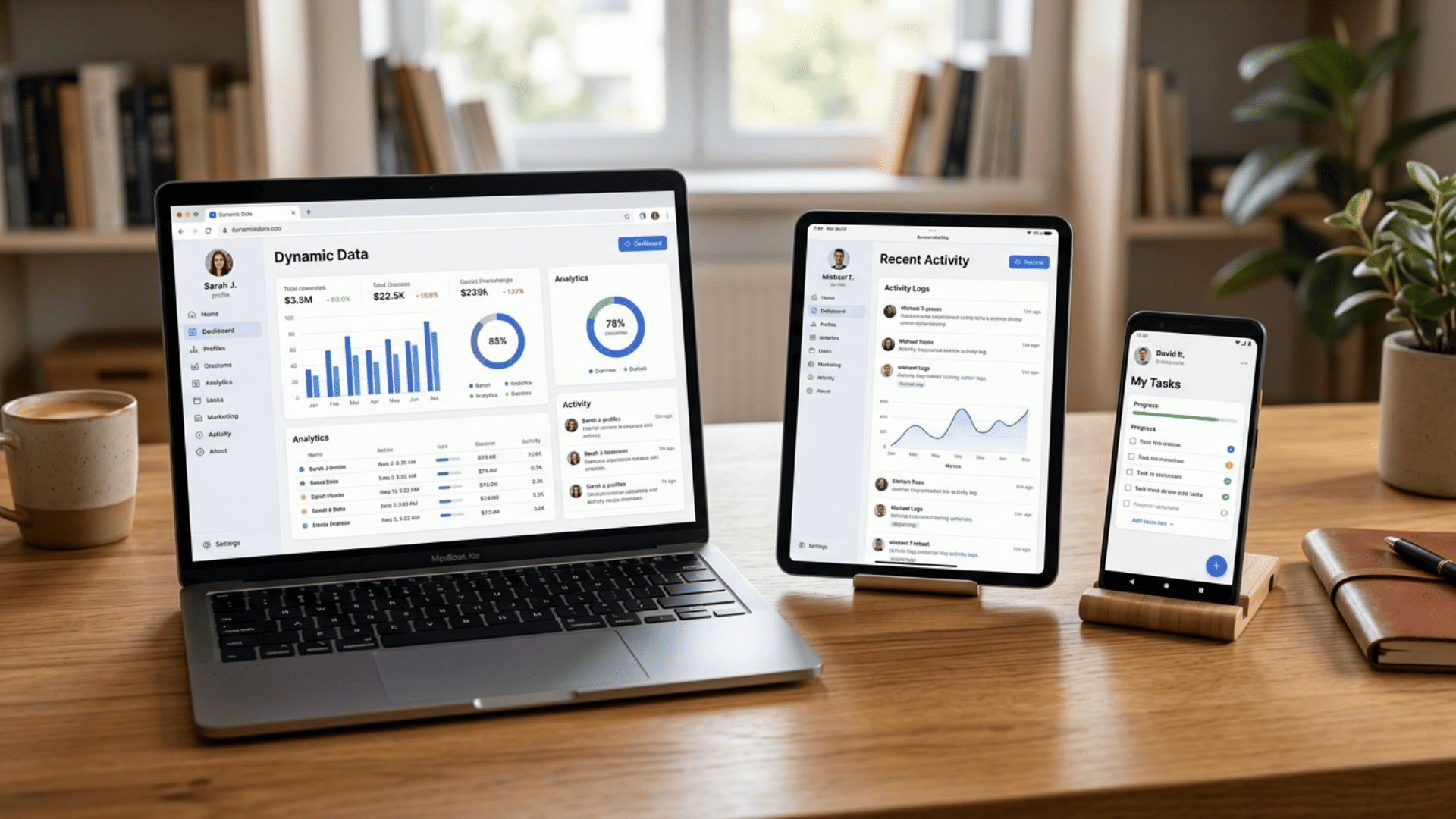
In an environment whereby digital content is always surrounding users, getting their attention and keeping them engaged is becoming harder by the day. Today’s users don’t come to a website; rather, they demand something that is tailored to meet their needs and expectations.
As a result, the concept of personalized websites has emerged, whereby everything on such websites can adapt depending on how users interact and behave. The once rare and sophisticated practice is slowly but surely transforming into a must-have for businesses.
What Are Personalized Websites?
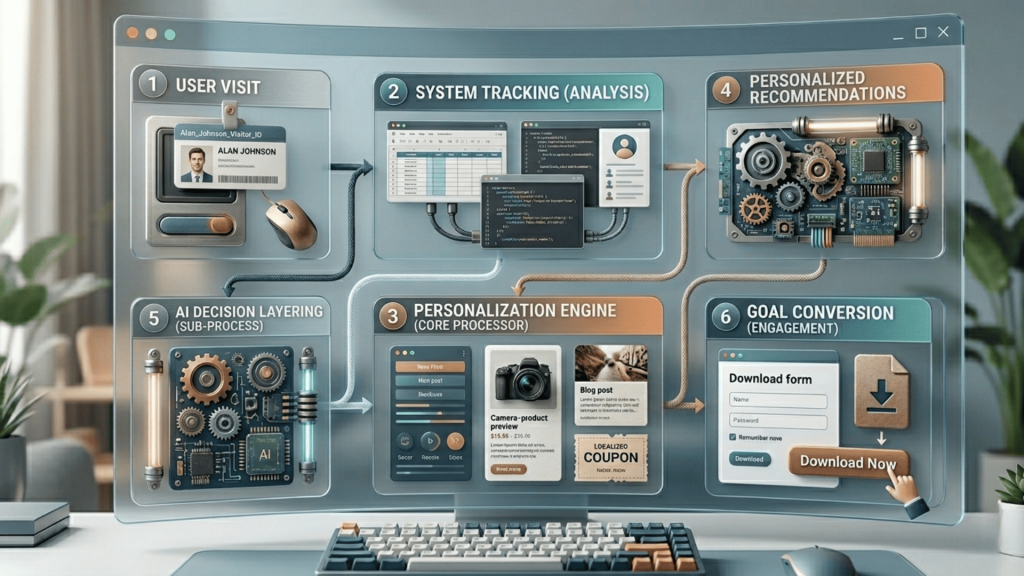
Personalized websites rely on information technology and data analysis to provide tailored experiences to users. Instead of treating all visitors identically, personalized websites customize different aspects in real-time according to:
- User behavior (pages visited, clicks, time spent)
- Geographic location
- Device type and browsing environment
- Past interactions or purchase history
- User preferences and interests
The goal is simple: make every visitor feel like the website was designed specifically for them.
Why Traditional Websites Are Losing Effectiveness
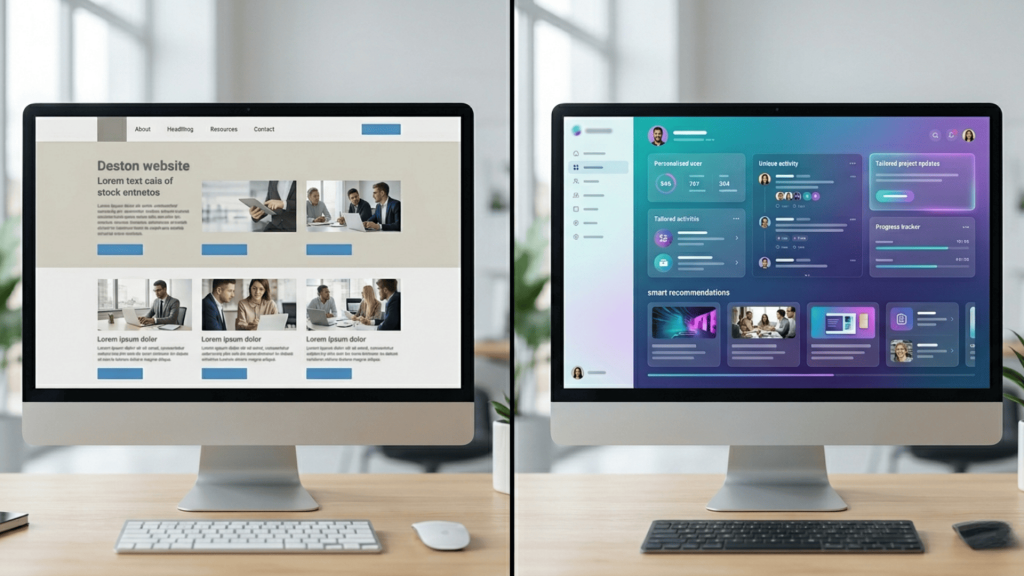
Static websites use a one-size-fits-all method. Though these may seem aesthetically pleasing, they tend not to resonate well with their audience.
Key limitations:
- Same content for all visitors, regardless of intent
- Limited engagement due to lack of relevance
- Higher bounce rates when expectations aren’t met
- Difficulty guiding users toward conversion
Users today expect sites to understand their needs. If websites fall short in this regard, they cause discomfort to the user.
Key Elements of Website Personalization
To create an effective personalized experience, websites typically focus on these core elements:
1. Dynamic Content
Content changes according to the user’s identity. Returning visitors might be presented with another message compared to new visitors.
2. Behavioral Targeting
Relevance and suggestions depend on user behavior. It can include products or services the visitor was viewing before.
3. Personalized CTAs
The calls to action might change according to user intentions, thus increasing effectiveness.
4. Adaptive Navigation
Navigation can adapt according to the user’s needs, emphasizing certain options over others.
5. Real-Time Customization
Content updates instantly as users interact with the website, creating a fluid and responsive experience.
How Personalized Websites Improve User Experience
1. Increased Relevance
A user is more likely to interact with content that relates to his or her needs.
2. Reduced Information Overload
Instead of overwhelming users with too many options, personalization filters and prioritizes what’s important.
3. Faster User Journeys
The user finds relevant information instantly, leading to better user experience and satisfaction.
4. Stronger Emotional Connection
When a website feels tailored, users are more likely to trust the brand and return.
Business Benefits of Personalization
Personalization is not just about better UX – it has measurable business impact.
1. Higher Conversion Rates
Relevant recommendations and targeted messaging lead to more actions.
2. Improved Engagement Metrics
Longer session durations and lower bounce rates indicate a better user experience.
3. Better Customer Retention
Users are more likely to revisit platforms that consistently deliver value.
4. Increased Customer Lifetime Value
Personalized experiences encourage repeat interactions and long-term loyalty.
Real-World Applications of Website Personalization
Personalization is already widely used across industries:
- E-commerce: Product recommendations based on browsing and purchase history
- Streaming platforms: Content suggestions tailored to viewing habits
- SaaS platforms: Customized dashboards for different user roles
- eLearning platforms: Courses and content adapted to learning progress
Such examples show how personalization can improve user experience.
Technologies Powering Personalized Experiences
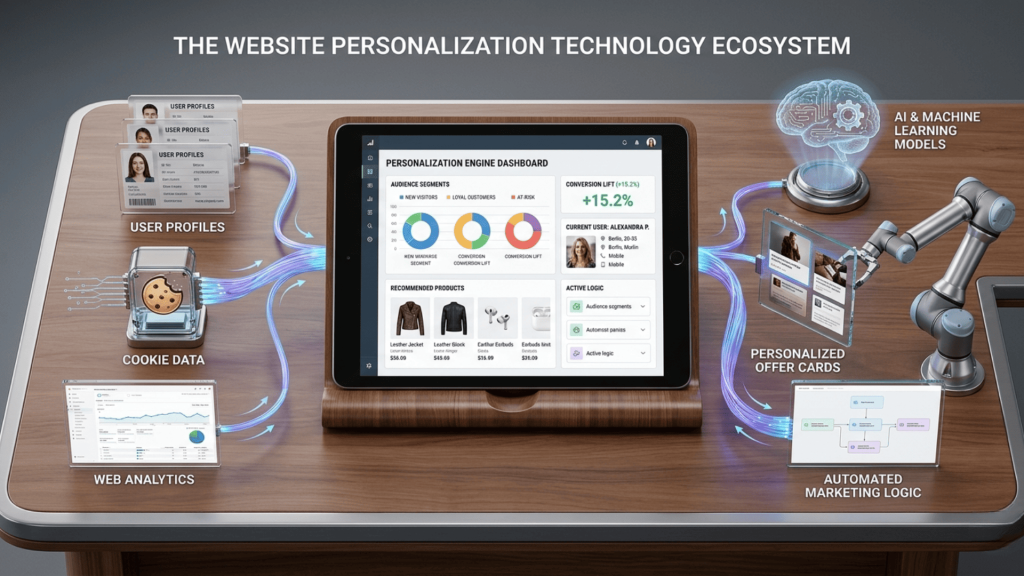
Modern personalization relies on a combination of advanced technologies:
- Artificial Intelligence (AI): Predicts user preferences and behavior
- Machine Learning (ML): Continuously improves recommendations over time
- Data Analytics: Provides insights into user interactions
- Cookies & Tracking Tools: Store user data for a consistent experience
- Customer Data Platforms (CDPs): Centralize and manage user information
Together, these technologies enable websites to deliver intelligent and adaptive experiences at scale.
How to Start Implementing Personalization
You don’t need a complex system to begin. Start with practical steps:
1. Segment Your Audience
Divide users into groups based on behavior, demographics, or intent.
2. Personalize High-Impact Areas
Focus on:
- Homepage content
- Product or service recommendations
- CTAs and landing pages
3. Use Data Responsibly
Collect only necessary data and ensure transparency with users.
4. Test and Optimize
Continuously run A/B tests to refine your personalization strategy.
Challenges and Considerations
While personalization offers clear benefits, it must be implemented thoughtfully.
- Data Privacy: Users expect transparency and control over their data
- Over-Personalization: Too much targeting can feel intrusive
- Technical Complexity: Requires proper tools and integration
- Data Accuracy: Poor data leads to ineffective personalization
Balancing personalization with trust is key to long-term success.
The Future of Personalized Websites
The future of web experiences will be even more dynamic and intelligent. Emerging trends include:
- AI-driven real-time personalization
- Voice and conversational interfaces
- Predictive user journeys
- Hyper-personalized content delivery
Websites will evolve from static platforms into interactive, adaptive systems that respond instantly to user needs.
Conclusion
Personalized sites are revolutionizing the interaction between users and the web. Through offering a relevant experience, companies can increase engagement, establish trust, and achieve positive outcomes.
As users’ demands keep increasing, personalization has become not an option but a requirement. Businesses that adopt personalized strategies now stand a better chance of succeeding in the future.